What workshop management software actually does on the floor
Workshop management software is not the same as a mechanic garage system or a full ERP. Here is what fab and manufacturing shops actually need from it.
Search for workshop management software and half the results want to book oil changes and send SMS reminders to car owners. That is useful if you run a mechanic garage. It is not what a fabrication shop, machine shop, or steel workshop usually means when they say they need better systems.
Workshop management software, for a manufacturing workshop, is the layer that keeps jobs, people, materials, and timing visible without turning the shop floor into a data-entry department. If it does not reduce searching and arguing, it is just another login screen.
What workshop management software actually does
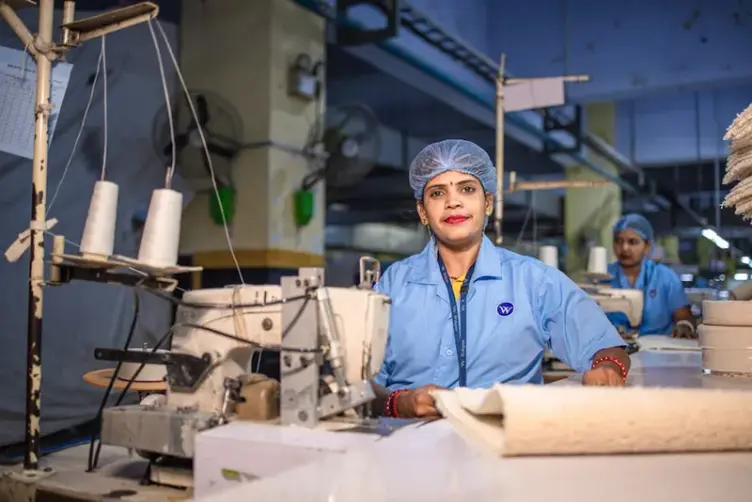
At its core, workshop management software connects what the office knows with what the floor is doing. Quotes, job cards, time, stock, scheduling, status. One place instead of three spreadsheets, a whiteboard nobody trusts, and a supervisor doing laps with a clipboard.
Good workshop software should help with:
- seeing which jobs are running, waiting, or stuck
- tracking time and materials against real work
- scheduling people and machines without double-booking
- invoicing or costing from actual job data, not guesses
Bad workshop software adds admin. Extra fields nobody fills in. Reports upstairs that nobody on the floor reads. Training videos longer than smoko.
The test is simple. After a busy week, do supervisors still trust the numbers. Do workers check the system before asking Dave. If not, you bought complexity, not visibility.
Not the same as a mechanic garage system
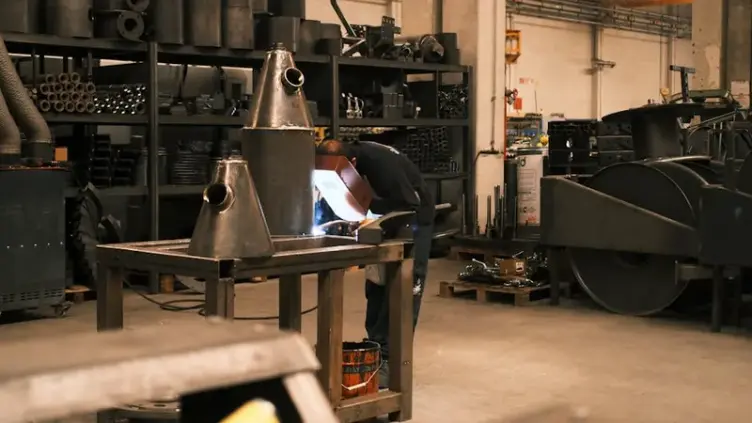
A lot of products in this category were built for automotive workshops. Service reminders, vehicle histories, bay booking, digital inspections on cars. Fair enough. That is a different animal from a fab shop cutting plate, welding frames, or a machine shop running one-off jobs across five CNCs.
Manufacturing and fabrication workshops usually care about:
- job-based work, not vehicle regos
- materials and drawings, not service intervals
- shift handovers and bottlenecks, not tyre rotations
- a planning view the whole floor can read in ten seconds
If you run a steel fabrication shop or a jobbing machine shop, read the fine print. "Workshop management" on the marketing page often means "garage." Purpose-built manufacturing tools exist, but the test is whether the system matches job-based work on the floor, not only in a demo room.
That mismatch is why so many shops bounce off their first software purchase. They bought the right category name with the wrong workshop type inside it.

What fab shops usually need first
ERP systems usually fail because the people building them often do not understand how workshops actually function. Many systems are built around reporting and office workflows instead of workshop practicality, adoption, speed, and operational flow.
Before you worry about full production management software with every module turned on, most busy shops need something more boring:
| Need | Why it matters on the floor |
|---|---|
| Live job status | Stops the "where is that job at" lap |
| Clear priorities | Stops five people calling the same job urgent |
| Shift visibility | Night shift is not guessing what day shift meant |
| Simple updates | Dirty hands, short breaks, no time for forms |
| Trust | If the board is wrong, people ignore everything |
That is the same problem a workshop planning board solves, just with software behind it. Visibility first. Deep scheduling logic second. Plenty of shops never get past step one because step one was never reliable.
Workshop software should be easy to understand, reduce friction, reduce paperwork, and fit naturally into how people already move around the shop. The best systems are simple but powerful, visual, and easy to explain to someone on their first week.
Workshop software vs full ERP
The sales pitch for a full ERP is tempting. One system for everything. Purchasing, finance, BOMs, warehousing, HR, production, CRM, and a dashboard that glows in the dark.
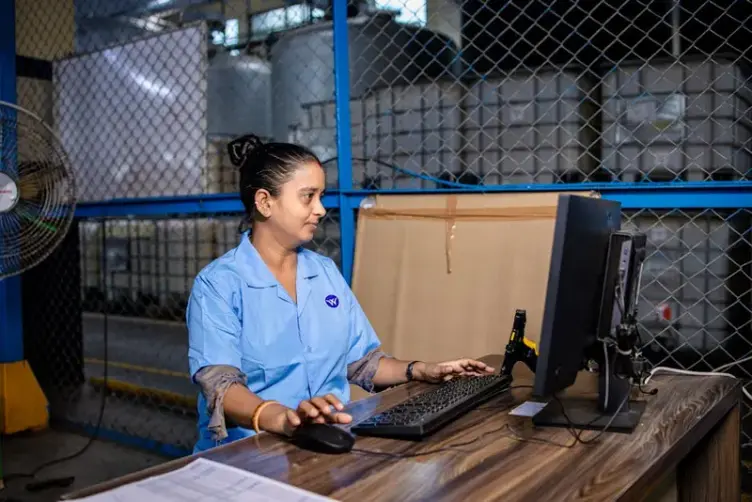
Reality on the workshop floor is messier. Complex systems struggle where there is noise, interruptions, dirty hands, forklifts, time pressure, and constant movement. Not everyone sits at a computer all day.
| Approach | Strength | Weakness |
|---|---|---|
| Whiteboard / Excel | Cheap, familiar, fast to start | Breaks under volume and shift change |
| Workshop-focused software | Floor visibility, lighter adoption | May not cover all finance depth |
| Full ERP | Deep integration upstairs | Heavy rollout, slow floor adoption |
Plenty of 20-person fab shops do not need SAP. They need to stop losing hours to coordination overhead. The Australian Industry Group has reported for years that Australian manufacturers lose productive capacity to exactly that kind of friction, not only to broken machines.
If your pain is "nobody knows what is running," do not start with a twelve-month ERP implementation. Start with the thing that fixes the argument at smoko.

When spreadsheets stop being enough
Spreadsheets work. People still use them because everyone knows them and changing systems is hard. They stop making sense when the operation gets large enough that one person cannot babysit the file all day.
Workers would forget employee numbers, job codes, and signatures on the time sheet. Not because they were lazy. Because they were on the floor and the paperwork lived at the desk. Errors piled up until supervisors spent the morning meeting fixing yesterday's mistakes instead of today's queue. That is not management. That is paperwork triage.
Spreadsheets break down because of accidental edits, version confusion, poor floor visibility, and duplicated work. Workshop management software earns its keep when maintaining the sheet costs more than the planning value it gives back.
Night shift finding out at 1AM that parts never got brought in is another signal. Day shift assumed someone else handled it. Nobody followed up. No forklift driver on night shift. The job stops. Software does not fix culture by itself, but shared live status makes those gaps harder to hide.

How to choose without drowning in demos
Every vendor will show you a clean dashboard with green ticks. Ask harder questions.
Floor test
- Can a new operator understand job status in under a minute
- Can updates happen in seconds from the machine area
- Does it work on a tablet or kiosk, not only a desktop upstairs
Adoption test
- Who maintains the data when the shop is flat out
- What happens when one key person is on leave
- Do supervisors still do status laps after month two
Fit test
- Is it built for job-based fab work or generic "workshop" meaning cars
- Does scheduling match high-mix, low-volume reality
- Can you start small without buying modules you will not use for a year
Honesty test
- What breaks if you ignore it for a week
- What training actually looks like for night shift
- Whether the pricing assumes five users when you have thirty on the floor
Stagetrac is automatic job tracking for production workshops that outgrew whiteboards but do not want an ERP science project. If you want a rough sense of how much manual coordination is costing before you sit through demos, the free workshop audit takes a few minutes.
Talk to the leading hand, not only the owner. If the person running the floor would not use it on a Friday afternoon, the purchase is already dead.

You might not need software for this
If your shop is small, one shift, and the whiteboard still matches reality on a busy Friday, leave it alone. Fix discipline before you fix tooling. A planning board that everyone trusts beats software nobody opens.
Software makes sense when manual tracking costs you hours every week in searching, rewriting, and shift arguments. When job volume, departments, or handovers mean the board is fiction by lunchtime. When the office and the floor are running different versions of the truth.
You might not need workshop management software at all. You might only need a planning board people trust, clearer handovers, and someone with the authority to keep it updated. That is cheaper than a subscription and harder than it sounds.
If the pain is real and recurring, then look at software that solves visibility first. Not the package with the longest feature list. The one your night shift supervisor would actually open without being nagged.
Practical takeaway
Workshop management software should make the shop calmer, not busier. For fabrication and manufacturing workshops, that usually means job visibility, simple updates, and systems built for production flow, not oil changes.
Most search results mix garage tools with fab tools. Filter hard. Start with what the floor needs this month, not what the ERP roadmap promises next year.
Simple systems tend to survive longer on the workshop floor. That has not changed because someone put the word "cloud" on the brochure.
Frequently asked questions
What is workshop management software?▼
Is workshop management software the same as ERP?▼
What is the difference between workshop software and garage software?▼
When should a fabrication shop get workshop management software?▼
What features matter most for a machine shop?▼
Can small workshops use spreadsheets instead of software?▼
How much does workshop management software cost?▼
Do Australian fabrication shops need local workshop software?▼

Gordon Hogan
Founder, Stagetrac
20+ years on the workshop floor. Built Stagetrac after watching too many whiteboards, spreadsheets, and planning boards fail under real production pressure.