Steel fabrication software for one-off jobs, not line production
Steel fabrication software should handle project jobs, weld stages, and shop floor visibility. Here is what custom steel shops need before buying another ERP.
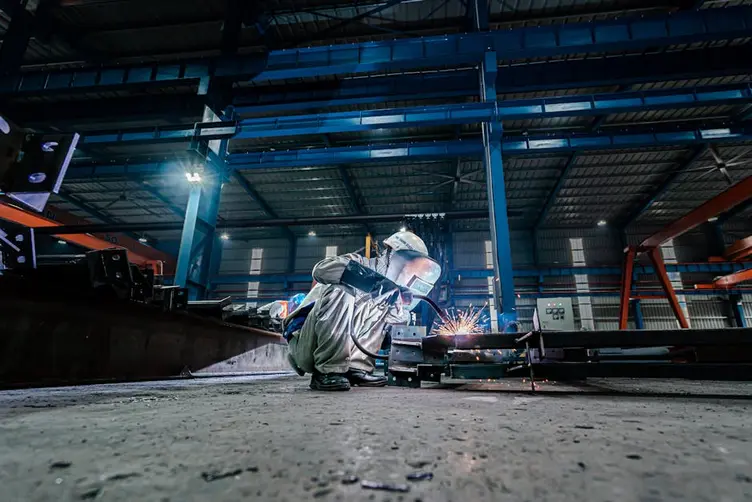
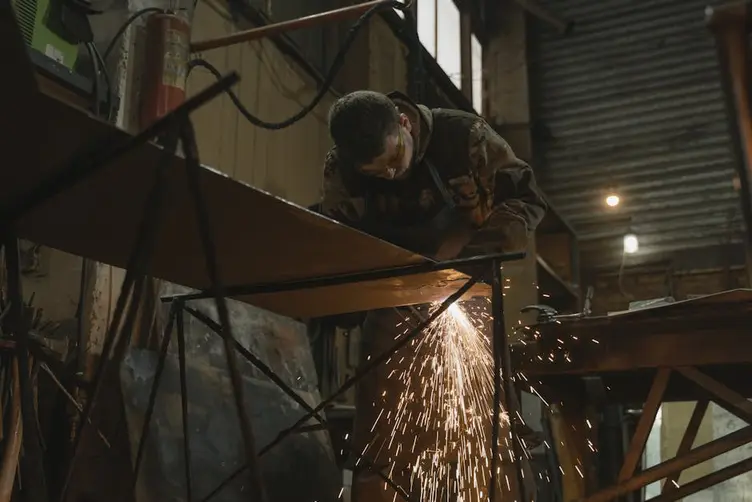
Steel fabrication software is not generic manufacturing ERP with a steel logo on the login screen. Custom fab shops run project jobs: cut, fit, weld, blast, paint, deliver. Each job has its own drawings, bottlenecks, and arguments about what is actually complete.
If the software does not match that flow, you may as well laminate the login screen and hang it on the wall.
What steel fabrication software actually does
Good steel fabrication software ties quoting, scheduling, shop floor status, and materials into one view your team can trust. For a 10–40 person custom shop, that usually means:
- job-based tracking from order to dispatch
- visual scheduling across processes (not one vague Gantt upstairs)
- weld and assembly stages people can update without a keyboard marathon
- drawing and document access where the work happens
- enough costing visibility that margin surprises show up before invoice day
The category includes tools aimed at small project-based steel fabricators moving off spreadsheets, and heavier ERP paths for shops that have outgrown light tools. Metal fabrication as a discipline spans cutting, forming, welding, and assembly from stock materials, which is why software has to follow the job, not the other way around. The floor question stays the same: can everyone see what is running, waiting, and stuck without ringing the leading hand.
Steel fab is not high-volume repetitive production. It is high-mix chaos with deadlines. Software that assumes the same part all week will feel wrong immediately. The ABS Australian Industry data still shows manufacturing employing hundreds of thousands of people nationally, mostly in small and mid-sized operations where coordination overhead is easy to underestimate.
How custom steel shops run without it
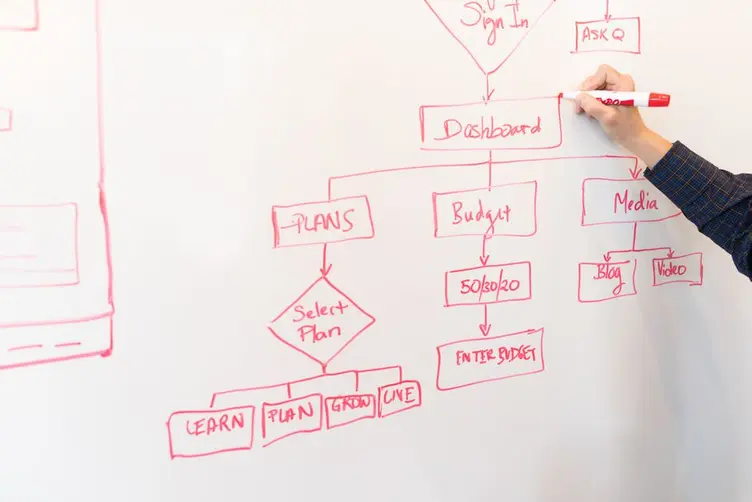
Plenty of profitable shops still run on:
- whiteboards and magnets per bay
- Excel schedules colour-coded by whoever understood the legend
- Tekla or CAD outputs emailed with "see attached"
- WhatsApp photos of fit-up problems
- a supervisor who is the human API between office and floor
That works until it does not. A drawing came through once missing PCD dimensions on a reused cover plate. The strip report had numbers, but an apprentice filled it in, so nobody trusted it. Thirty minutes searching for parts, calls to day shift, prints from the draftsman, then finding the covers with the wrong job number written on them. The measurement on the report was wrong too. Nearly an hour gone on traceability, not cutting steel.
Steel shops tolerate manual systems because changing them is hard and the last software trial might have been painful. That is rational, not technophobia.
Steel fab software vs generic ERP
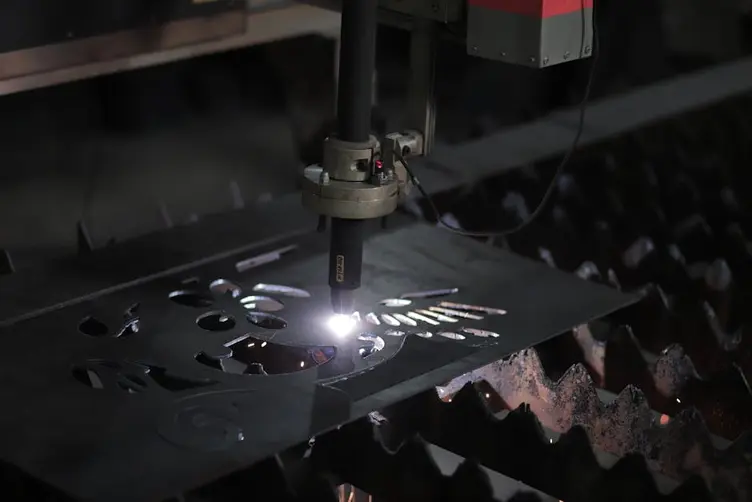
ERP systems usually fail on the workshop floor because they are built around reporting and office workflows, not adoption where hands are dirty and radios are loud.
| Tool type | Fits steel fab when | Falls over when |
|---|---|---|
| Whiteboard / Excel | Low job count, one shift, trusted planner | Multi-process backlog, night shift handovers |
| Steel-focused fab software | Project jobs, visual stages, mobile floor updates | You need deep finance modules on day one |
| Full ERP / MRP | Mature processes, dedicated admin staff | Small shop asked to run SAP because someone read a brochure |
Generic ERP wants routings, BOMs, and inventory accuracy before the shop has discipline on job status. Most custom fabricators need visibility first: which weld is holding the dispatch date, which fit-up is waiting on plate, which job the painter thinks is "basically done."
Workshop management software and a trusted workshop planning board solve different layers of the same problem. Fab software often bundles both. The test is whether the floor actually uses it.
What to look for in steel fabrication software
Ask these on the shop tour, not the webinar.
Process fit
- Can you model cut, weld, blast, paint, and dispatch as separate stages
- Does scheduling show capacity per process, not one blob called "production"
- Can night shift read the plan without calling day shift
Floor friction
- Can a welder or fitter update status in under a minute
- Do drawings open where people work, not only on the office PC
- Does it work on a phone or tablet without constant login pain
Project reality
- Job costing tied to real labour and material, not fantasy standards
- Easy to see which jobs are eating margin this week
- Handles one-off structures and repeat small runs without re-engineering the system
Adoption
- Who owns data entry when the shop is flat out
- Training measured in hours, not weeks
- Supervisors stop doing status laps after month two
If the vendor cannot explain how a 15-person shop uses it on a Friday afternoon, walk away.

Scheduling and shop floor visibility
Scheduling is where steel fabrication software wins or dies. Custom fab lives on dependencies: plate not in, welder on another job, blast bay blocked, client changed mark-ups at lunch.
Visual drag-and-drop schedulers are popular because they mirror how leading hands already think. Re-optimization when machines go down or material is late sounds clever, but the point is simpler: replace a whiteboard that became fiction by Tuesday. The Australian Industry Group has reported that manufacturing productivity pressure often shows up as coordination friction long before anyone mentions software.
Stagetrac is automatic job tracking for production workshops: status that updates when work moves, not when someone remembers at smoko. If you want a rough cost picture of manual coordination before a fab software rollout, the free workshop audit takes a few minutes.
Scheduling software only helps when the status going in is honest. Garbage on the board, garbage out of the algorithm.
Common mistakes when buying fab software
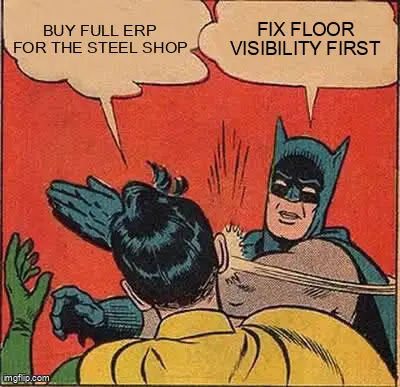
Buying ERP because the demo looked impressive. Twelve modules, zero welders using it.
Ignoring drawing workflow. Schedules update, drawings still live in someone's Downloads folder.
No night shift plan. Day shift enters data, night shift flies blind.
Treating weld and fit-up as one step. Bottlenecks hide until dispatch week.
Expecting software to fix stores discipline. Software makes missing plate visible. It does not fetch it.
Choosing on price per seat alone. Cheap per user, expensive in admin time.
You might not need fabrication software yet
If your shop is small, one shift, and the whiteboard still matches reality on a busy Friday, fix discipline before you buy tools. Steel fabrication software earns its keep when manual tracking costs you hours every week in searching, re-promising dates, and rework from wrong assumptions.
You might only need clearer handovers and a planning board people trust. That is harder than it sounds and cheaper than a subscription.
Software makes sense when job volume, process steps, or shift overlap mean the planner cannot keep the full story in their head. If supervisors are still the only source of truth, you have a people bottleneck dressed up as a software opportunity.
Practical takeaway
Steel fabrication software should make project flow visible across cut, weld, and dispatch without turning fitters into data clerks. Generic ERP rarely does that out of the box for a custom shop.
Start with what the floor already asks ten times a day. Match software to that before you match it to a feature matrix. Simple systems that welders and fitters actually open beat complex systems that only the office understands.
That is usually where the money is wasted or saved.
Frequently asked questions
What is steel fabrication software?▼
Do small steel fabrication shops need ERP?▼
What is the difference between steel fabrication software and workshop management software?▼
What features matter most for custom steel fabricators?▼
Can Excel replace steel fabrication software?▼
How does scheduling work in steel fabrication software?▼
Is welding management software the same as steel fabrication software?▼
When should a steel shop invest in fabrication software?▼

Gordon Hogan
Founder, Stagetrac
20+ years on the workshop floor. Built Stagetrac after watching too many whiteboards, spreadsheets, and planning boards fail under real production pressure.