
Manufacturing software Australia without the ERP sales pitch
Manufacturing software in Australia is not just ERP with an AU flag. Here is what job shops and fab workshops need from software that works on the floor.
Search for manufacturing software Australia and you get a wall of ERP demos, quoting suites, and vendor pages promising quote-to-cash in one login. Most of it is built for someone sitting upstairs. The leading hand on the floor just wants to know which job is next and whether the laser blanks for Thursday actually arrived.
That gap is normal. Australian manufacturing is mostly small and medium job shops, fab workshops, and contract manufacturers running one-off and small-batch work. The software conversation should start there, not in a boardroom slide deck.
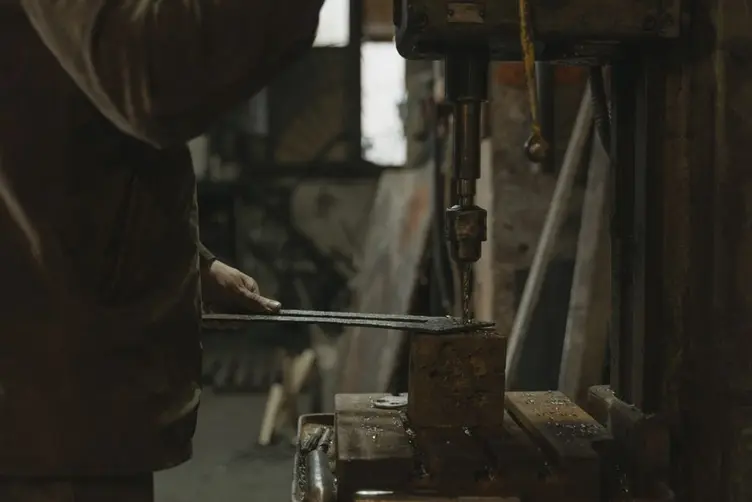
What manufacturing software means in Australia
Manufacturing software Australia usually means one of three things in practice:
| Category | What it covers | Where it often falls down |
|---|---|---|
| Full ERP | Quoting, purchasing, inventory, costing, finance | Floor adoption when screens live upstairs |
| Industry-specific fab/MRP tools | Nesting, quoting, routings, materials | Great for office workflows, less for live floor visibility |
| Shop floor / job tracking | Status, queues, time, planning board view | Less finance depth, more daily usefulness |
Manufacturing in Australia is dominated by smaller operators across metal fabrication, machinery, food processing, and components. Most are not running a Toyota production system. They are running jobs, chasing materials, and trying to hit due dates with a team that will not stop mid-weld to fill in a twelve-field form.
Good manufacturing software for an Aussie workshop connects what the office knows with what the floor is doing. Bad manufacturing software adds reporting upstairs while the whiteboard by the welders stays the real system of record.
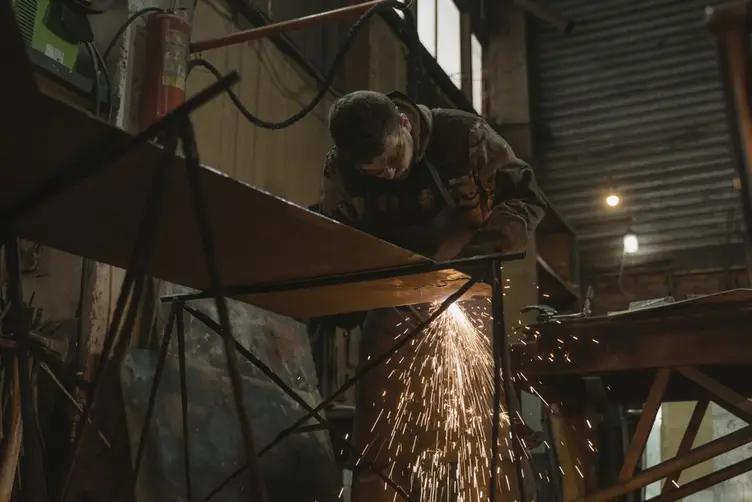
Why Aussie workshops are not small American factories
A lot of product marketing assumes high volume, repeat SKUs, and dedicated production lines. Plenty of Australian shops look nothing like that.
Typical realities:
- job-based work with drawings that change mid-run
- long supply chains for plate, section, and specials
- night shift running lean while day shift handles stores and customers
- supervisors who are also estimators, buyers, and dispute resolution
- distance between sites, suppliers, and customers across states
Metal fabrication here often means cut, fold, weld, assemble, and dispatch custom work, not repeat stamping at scale. Software that assumes every job looks the same on a Gantt chart will frustrate a fab shop inside a week.
Australian businesses also care about practical support. Can you get someone on the phone in your timezone when the board stops updating before a rush job lands. Is the product built for how local workshops actually run, or imported logic with an Australian reseller sticker on the brochure.
None of that shows up in a feature matrix. It shows up on the floor at 6AM when something breaks.
What Australian shops actually need from software
Before comparing vendors, write down what hurts this month. Not what might hurt after a twelve-month ERP rollout.
Most job shops and fab workshops need:
| Need | Why it matters here |
|---|---|
| Live job status | Stops the customer callback loop and the floor walk |
| Clear queue order | Stops five jobs fighting for the same bay or machine |
| Shift visibility | Night shift is not guessing what day shift meant |
| Fast updates | Dirty hands, short breaks, no time for desk forms |
| Trust | Wrong once and people go back to asking Dave |
That is the same core list as job tracking and a live planning board. Australian manufacturing software should solve those problems first. Quoting modules and purchasing workflows matter, but not if nobody on the floor believes the status screen.
Draftsmen often create drawings without enough machining or welding context. Machinists and fabricators sometimes spend serious time translating awkward dimensions into something workable before production even starts. Software does not fix bad drawings. It should at least stop you losing another hour on coordination the drawing already caused.

Local vs offshore software: what really matters
Data hosted in Australia, local support, and an ABN on the invoice are worth asking about. They are not substitutes for adoption.
The questions that actually decide success:
- Can a new operator understand job status in under a minute
- Can updates happen at the machine or bay, not only at a desk
- Does support answer when the shop is running, not only business hours three timezones away
- Will the vendor show you a demo on a messy job shop scenario, not a clean fake factory
Offshore products with good local partners can work. Local products that ignore the floor will fail anyway. The badge on the website matters less than whether Mick trusts the board on Friday afternoon.

Manufacturing software vs accounting vs ERP
Xero and MYOB keep the books straight. They are not a planning board and they are not production scheduling for a busy fab shop.
| System | Good at | Not a replacement for |
|---|---|---|
| Accounting | Invoices, BAS, payroll exports | Live job status on the floor |
| ERP | Purchasing, inventory, costing, reporting | Trust from operators who never log in |
| Shop floor software | Queues, status, time, visibility | Full finance and MRP on day one |
Plenty of 20-person workshops do not need SAP. They need to stop losing hours to coordination overhead. The Australian Bureau of Statistics publishes regular industry data showing how tight margins and productivity pressure hit Australian operators. A lot of that pressure shows up as searching, chasing, and double-handling that never appears on a pretty dashboard.
If your pain is "nobody knows what is running," do not start with a twelve-month ERP implementation. Start with the thing that fixes the argument at smoko.

You might not need to buy yet
If your shop is small, on one shift, and the whiteboard still matches reality on Friday, fix discipline before you buy software.
Software earns its place when manual tracking costs you hours every week in:
- walking the floor for status
- resequencing jobs in someone's head
- customer callbacks you cannot answer from the desk
- shift handovers that rely on memory and hope
If that cost is real and recurring, Australian manufacturing software or a live planning board is worth a look. If not, tighten the whiteboard and job card routine first.
Do not buy because a vendor showed infinite-capacity scheduling in a demo room. Impressive upstairs. Less impressive when the integration project eats six months and the welders still run off a whiteboard.
Stagetrac is automatic job tracking built for Australian production workshops: live visibility without turning tradespeople into data-entry clerks. If you want a rough sense of how much manual coordination is costing your shop, the free workshop audit takes a few minutes.
Practical takeaway
Manufacturing software Australia should make job status obvious, trusted, and fast to update where the work happens.
Local support and data hosting are worth asking about. They are not a shortcut past floor adoption. If the boys do not trust it during a rough week, the country code on the server does not matter.
If your queue is still accurate after a bad week, you might not need to change anything. If supervisors are resequencing in their heads because the official system is fiction, fix visibility before you buy more modules.
Frequently asked questions
What is manufacturing software for Australian workshops?▼
Do small Australian manufacturers need ERP?▼
Is Australian manufacturing software different from generic ERP?▼
Does manufacturing software replace Xero or MYOB?▼
What should I look for in manufacturing software for a fab shop?▼
Does data need to be hosted in Australia?▼
When should an Australian workshop switch from spreadsheets to software?▼

Gordon Hogan
Founder, Stagetrac
20+ years on the workshop floor. Built Stagetrac after watching too many whiteboards, spreadsheets, and planning boards fail under real production pressure.